

Go Back
College News
News
Yew Chung Yew Wah Welcomes Delegation of School Principals Led by Peking University’s Graduate School of Education In-Depth Exchange Focuses on Technology Education
News
08 May, 2026
22 : 50
On May 8, a delegation of primary and secondary school principals, organized by the Graduate School of Education at Peking University, visited the Yew Chung Yew Wah (YCYW) Education Network to engage in an in-depth dialogue on “Technology Education and School Management for the Future.” More than a routine school visit, the exchange served as a systematic exploration of an integrated East-meets-West educational model and emerging visions for future schooling.
The delegation included representatives from the Graduate School of Education at Peking University, alongside school principals, leaders of educational research institutes, and teacher development organizations from Shenzhen, Changsha, Chongqing, Xi’an, and other cities. Bringing together diverse educational perspectives, the exchange represented not only a two-way dialogue between higher education and basic education, but also a meaningful opportunity for regional exchange and mutual learning in educational philosophy and practice.
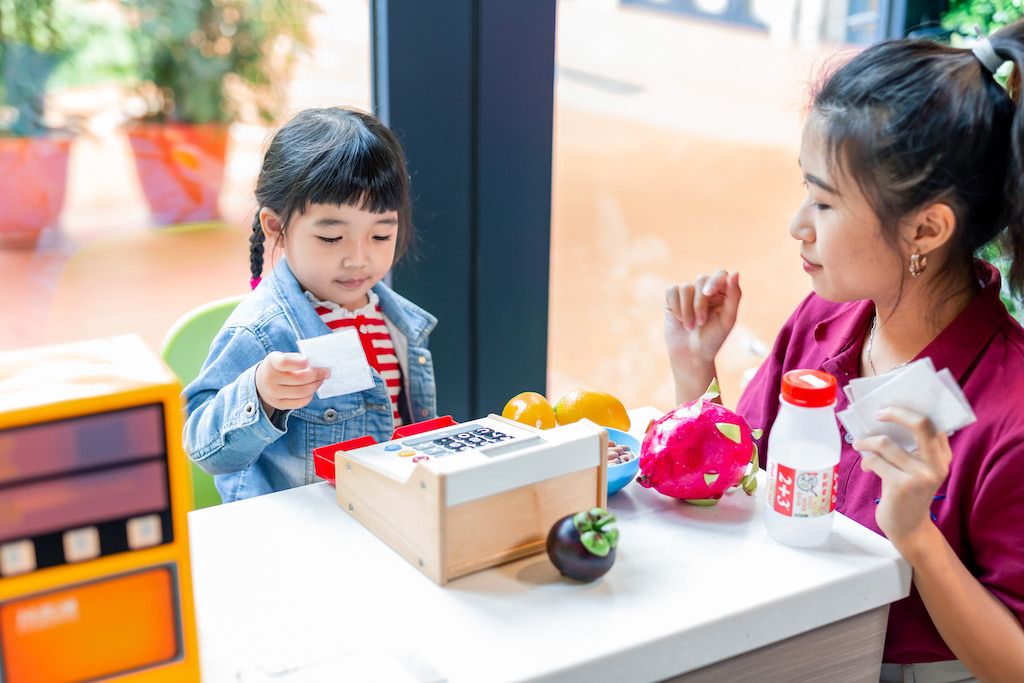
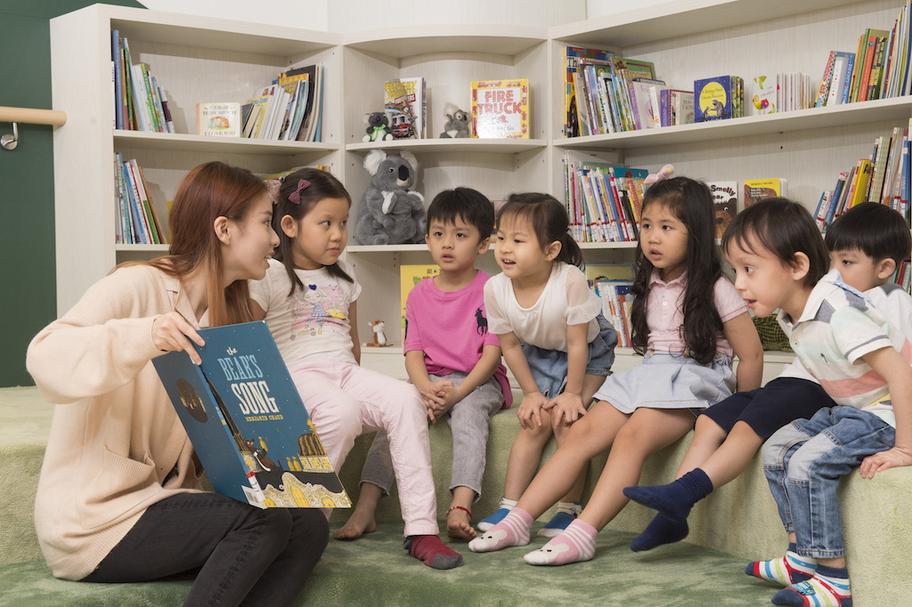
The delegation first visited the Yew Chung College of Early Childhood Education (YCCECE). As the higher education institution within the YCYW Education Network, the College introduced its approaches to curriculum design, multicultural learning environments, and future teacher preparation. During the visit, the delegation also toured the Pamela Peck Discovery Space (PPDS), Hong Kong’s first interactive discovery space designed specifically for children aged 0–8 and their caregivers. PPDS embodies the College’s core philosophy of “learning through play” while serving as a “teaching and learning laboratory” that provides practical training opportunities for students. Throughout the visit, delegates observed and discussed child-centred education, focusing on children’s learning and pedagogical practices.
Beyond classroom activities and learning spaces, visiting guests also examined YCYW’s broader educational research and talent development framework. They explored how the institution translates research on child development within higher education into practical and scalable educational models that further connect with primary and secondary education.
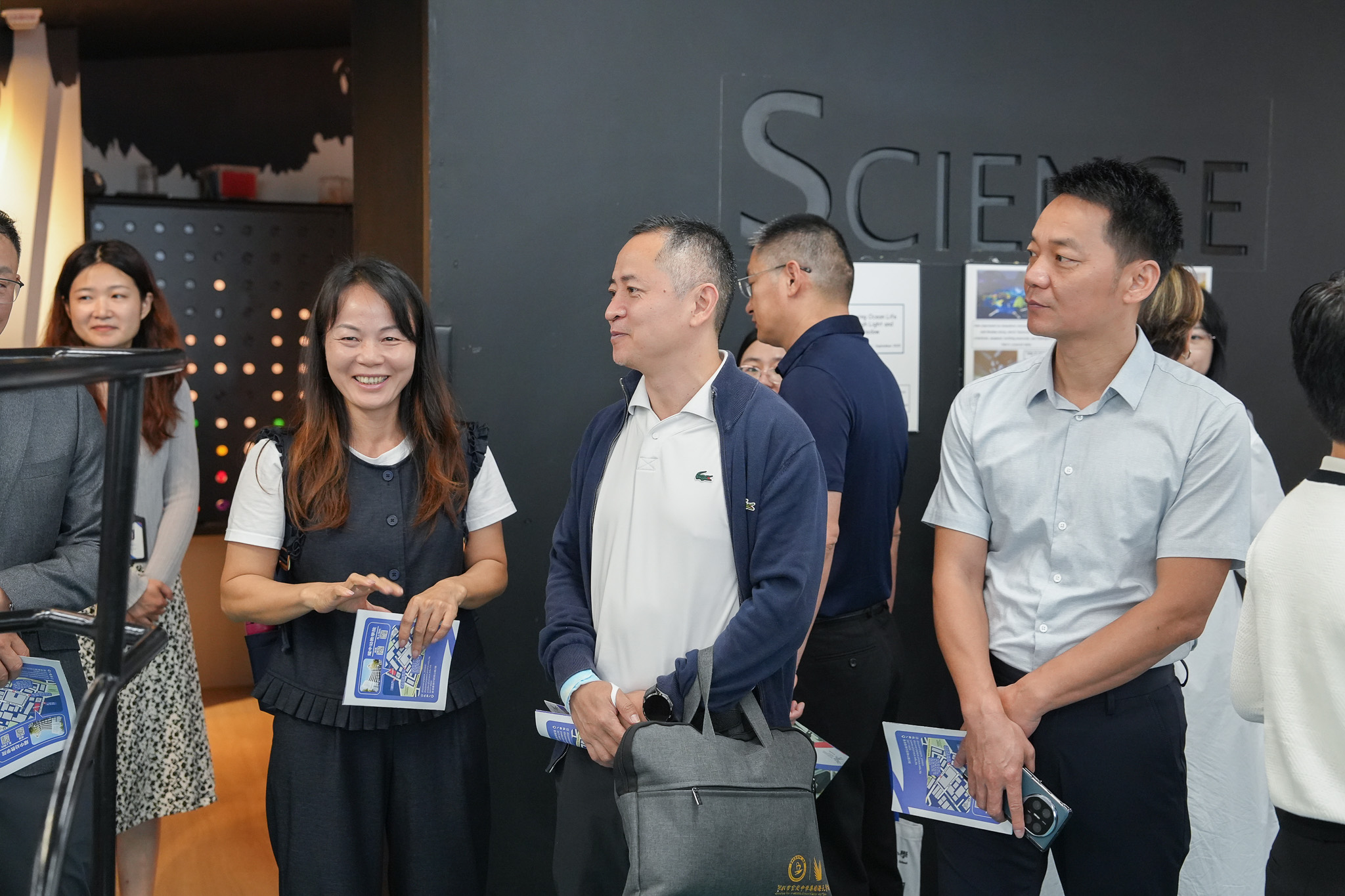
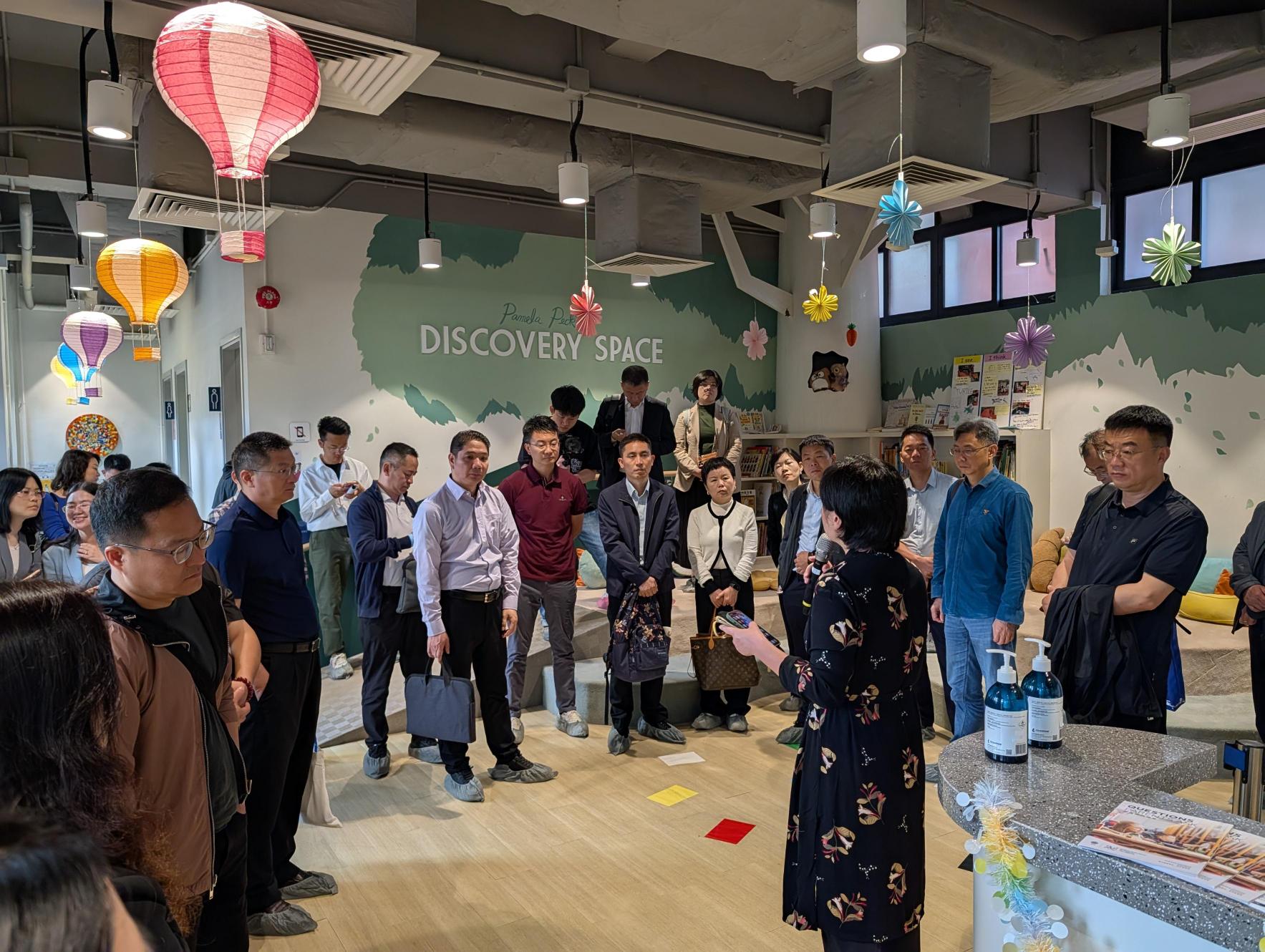
The delegation then visited Yew Chung International School of Hong Kong (YCIS Hong Kong) to gain deeper insights into curriculum development and future-oriented education practices at the primary and secondary levels. Rooted in Hong Kong and integrating Eastern and Western educational philosophies, YCIS Hong Kong has long focused on nurturing students’ adaptability, creativity, and lifelong learning capabilities in a rapidly changing world. Through diversified curricula and interdisciplinary learning approaches, the school provides students with pathways for future-ready growth.
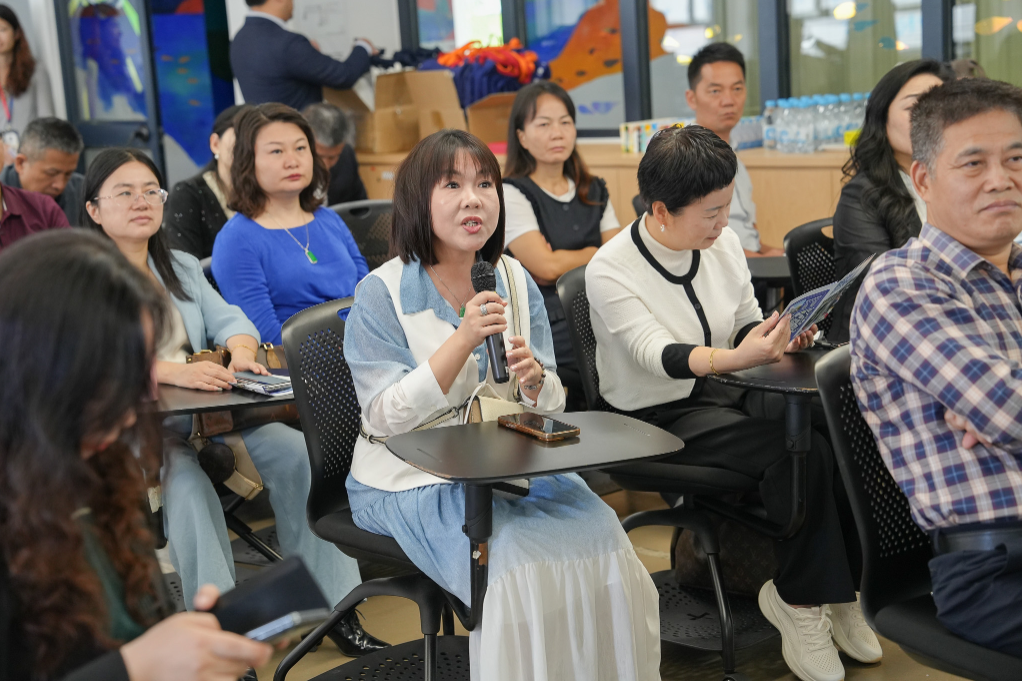
During the “Seeds for Tomorrow” project presentation and sharing session, the school introduced how technological literacy, artificial intelligence, and future skills are integrated into daily teaching and learning. Through project-based learning, authentic real-world tasks, and interdisciplinary collaboration, students are encouraged to develop independent inquiry, problem-solving, and innovative thinking skills. The school also emphasized that amid rapid technological advancement, education must not only equip students with new technological competencies, but also cultivate their ability to adapt to uncertainty and continuous change, alongside an awareness of technology ethics and social responsibility.
Throughout the exchange, delegates drew on their own experiences in curriculum reform, technology education, and student development support within the Chinese mainland schools. In-depth discussions were held on student learning approaches, curriculum innovation, and the future direction of schooling across different regional educational systems.
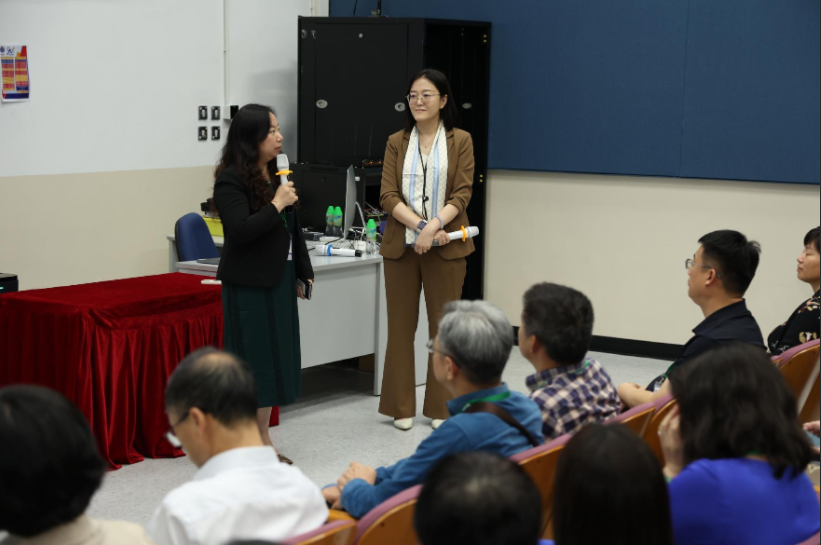
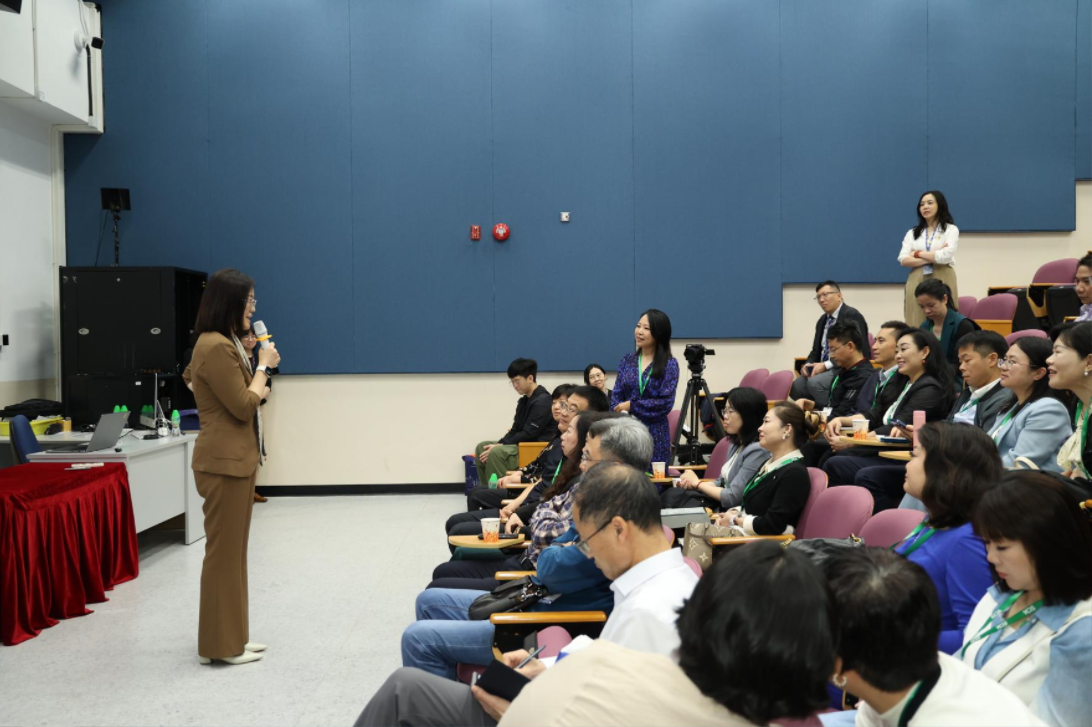
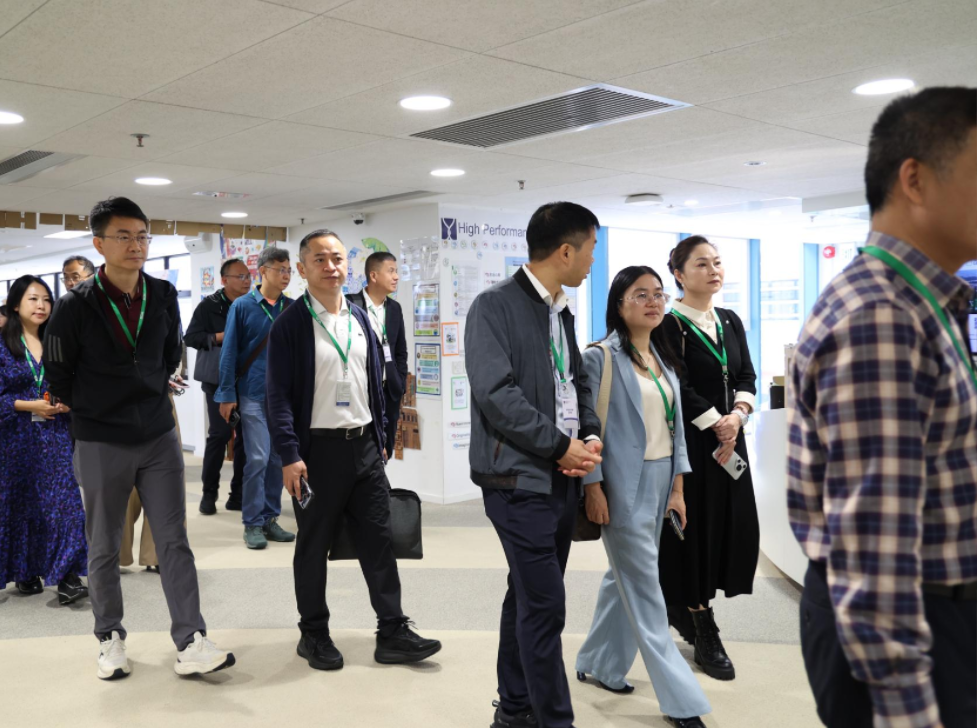
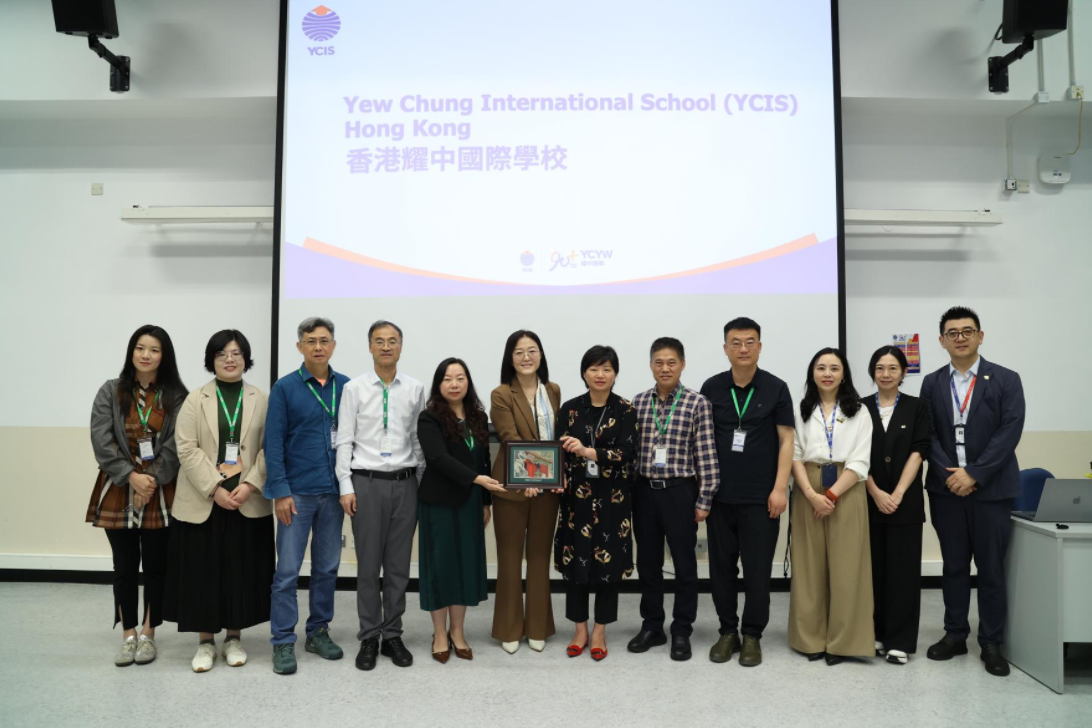
From the educational research and philosophy at the higher education level represented by YCCECE, to the curriculum practices in primary and secondary education at YCIS Hong Kong, the YCYW Education Network’s systematic exploration of international and innovative education received strong interest and positive feedback from the visiting delegation.
Led by one of the Chinese mainland’s leading higher education institutions—the Graduate School of Education at Peking University—the visit represented not only a deep dialogue between higher education and basic education, but also an exchange of educational philosophies, curriculum practices, and future educational development between Hong Kong and the Chinese mainland. From the higher education practices at YCCECE to the curriculum innovations at YCIS Hong Kong, the delegation observed how YCYW constructs an integrated learning ecosystem and holistic educational pathway grounded in the fusion of Eastern and Western educational philosophies.
Through cross-regional and cross-sector engagement, the exchange expanded possibilities for future collaboration between higher education and basic education, as well as deeper connections between educational resources in Hong Kong and the Chinese mainland. At the same time, YCYW further strengthened its academic ties with high-level educational institutions on the Chinese mainland, opening broader opportunities for future collaboration in educational research, teacher development, curriculum co-construction, and coordinated development between higher education and basic education.
More importantly, the visit also represented a shared reflection on the future of education. As artificial intelligence advances rapidly and the global educational landscape continues to evolve, cultivating students who possess adaptability, creativity, and lifelong learning capabilities has become a common priority for educators in both Hong Kong and the Chinese mainland. Through its integrated approach spanning educational research, teacher preparation, curriculum practice, and student development, YCYW offered the delegation multiple perspectives on the possibilities of future education. Moving forward, YCYW will continue upholding its East-meets-West educational philosophy while working alongside educators to explore the future development of education together.