

Go Back
College News
News
Professor Ha Wei, Associate Dean of the Graduate School of Education at Peking University, Visits Yew Chung Yew Wah to Explore Educational Practice and Industry–Academia Collaboration
News
18 May, 2026
11 : 47
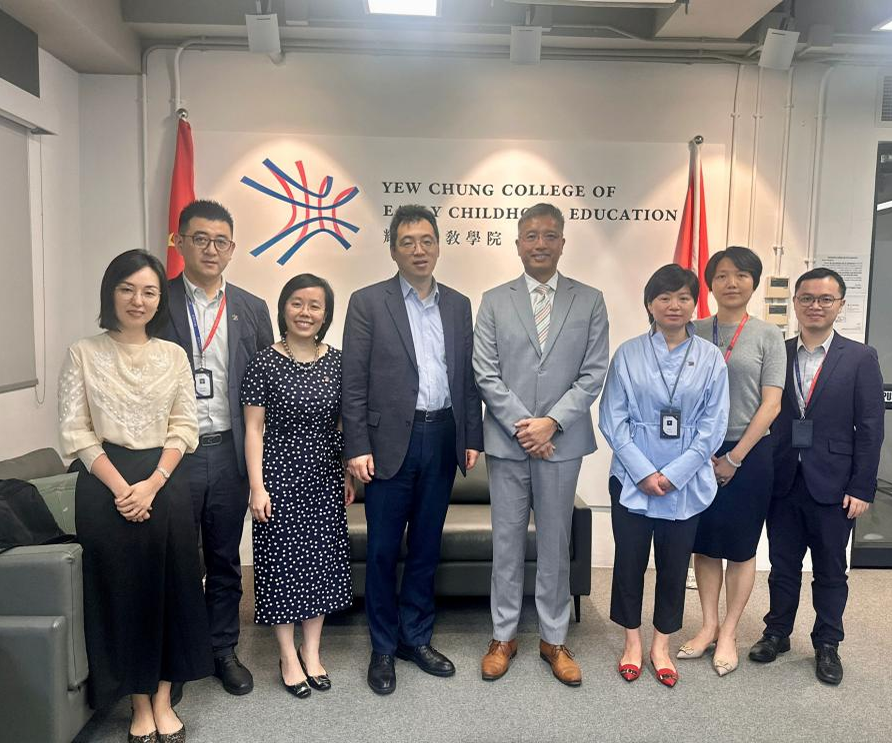
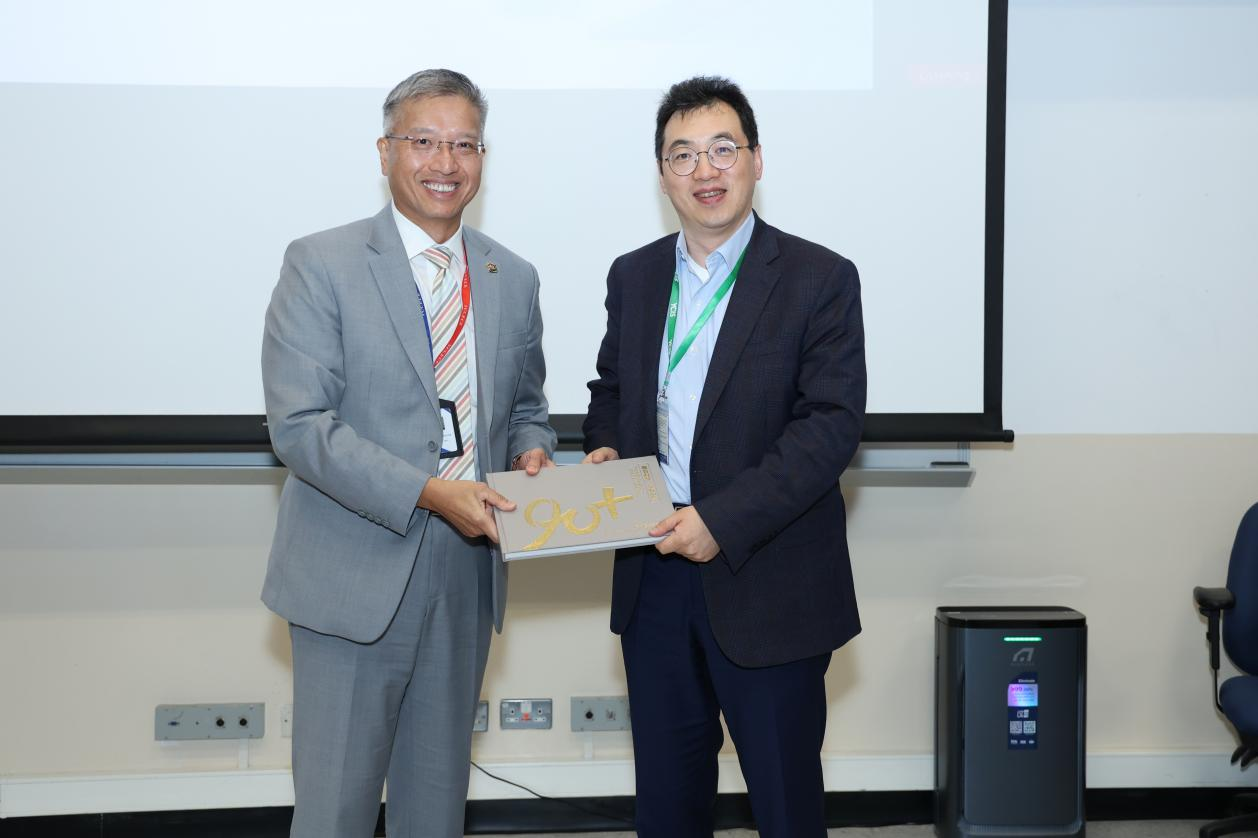
On May 14, Professor Ha Wei, Associate Dean of the Graduate School of Education at Peking University, visited Yew Chung College of Early Childhood Education (YCCECE) and Yew Chung International School (YCIS Hong Kong). Dr Lydia Chan, Chairperson of the College Council of YCCECE, warmly received Professor Ha along with the college’s leadership team. As one of the key accompanying activities during the visit, Professor Ha was invited to deliver a keynote lecture entitled “Fostering University-Industry Synergy: Deep Integration of Scientific and Industrial Innovation in the Greater Bay Area”, where he shared forward-looking perspectives on collaboration among industry, academia, and research in the Greater Bay Area. This visit not only deepened ties between the two sides in the field of education, but also further promoted exchange and mutual learning between the education sectors of the Chinese mainland and Hong Kong in talent cultivation and innovation-driven development.
Visit YCCECE
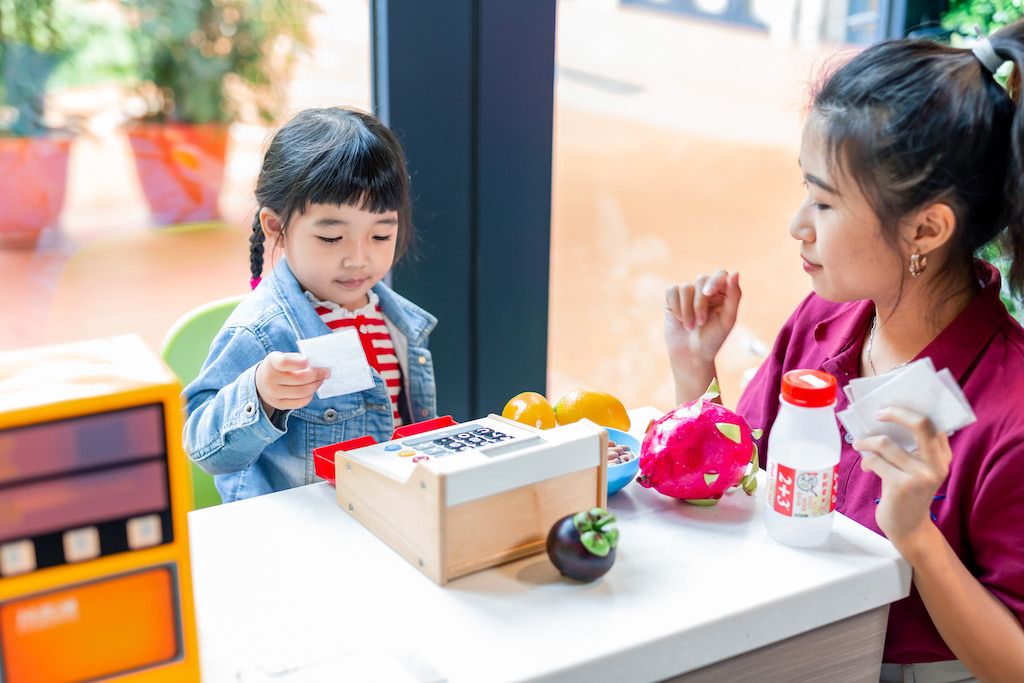
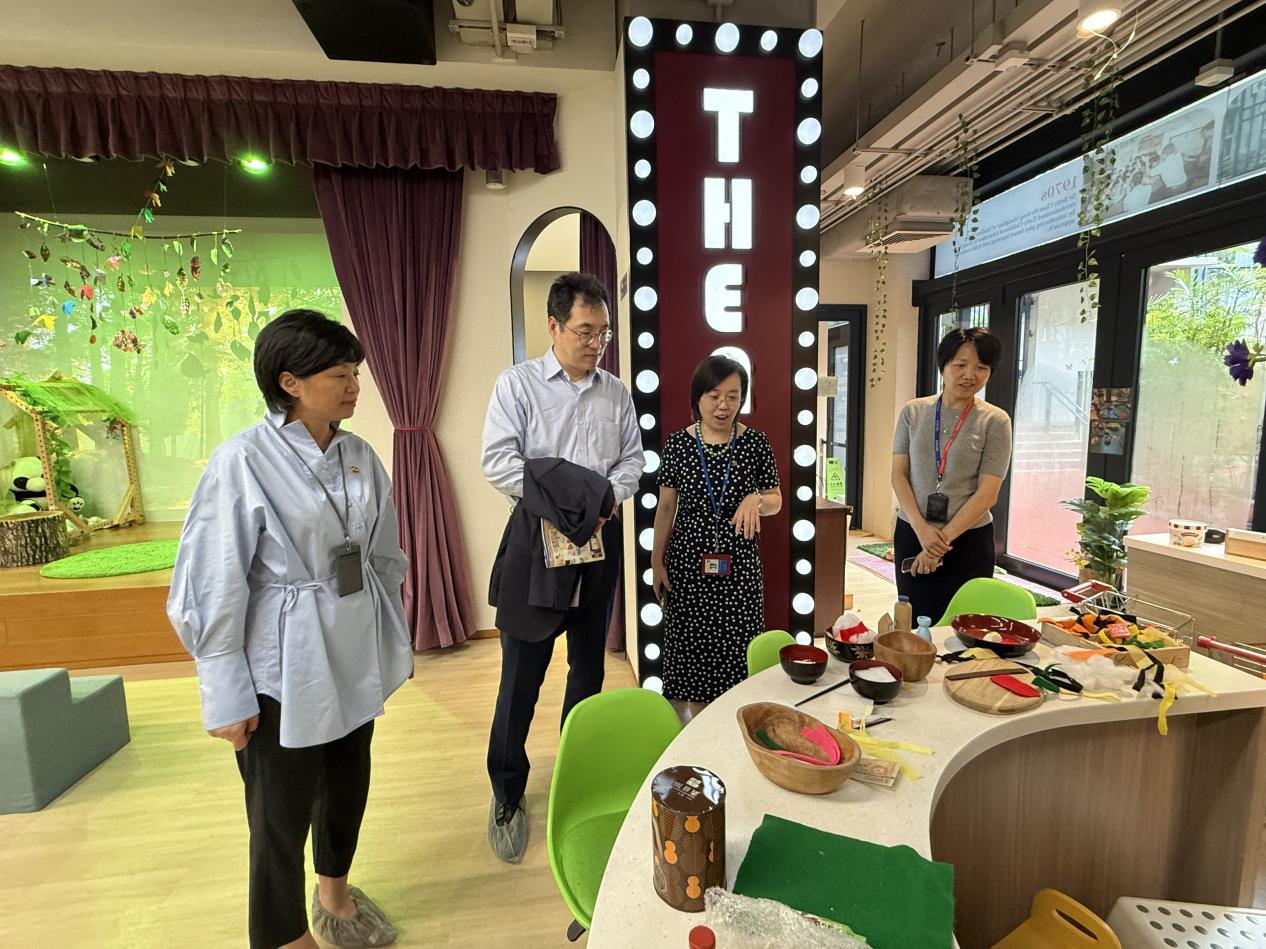
The first stop of the visit was YCCECE. Professor Ha first toured The Pamela Peck Discovery Space (PPDS) to gain an in-depth understanding of the college’s educational philosophy and curriculum design in exploratory learning for young children, innovative education, and child development practice. As Hong Kong’s first interactive discovery space, PPDS also serves as a teaching and learning laboratory, providing students with a platform for hands-on practice and observation. It fully reflects the college’s distinctive strengths and achievements in learning resource allocation and the development of student support systems. Professor Ha highly commended PPDS for its accomplishments in fostering children’s independent exploration, supporting teacher professional development, and advancing innovative educational practice.
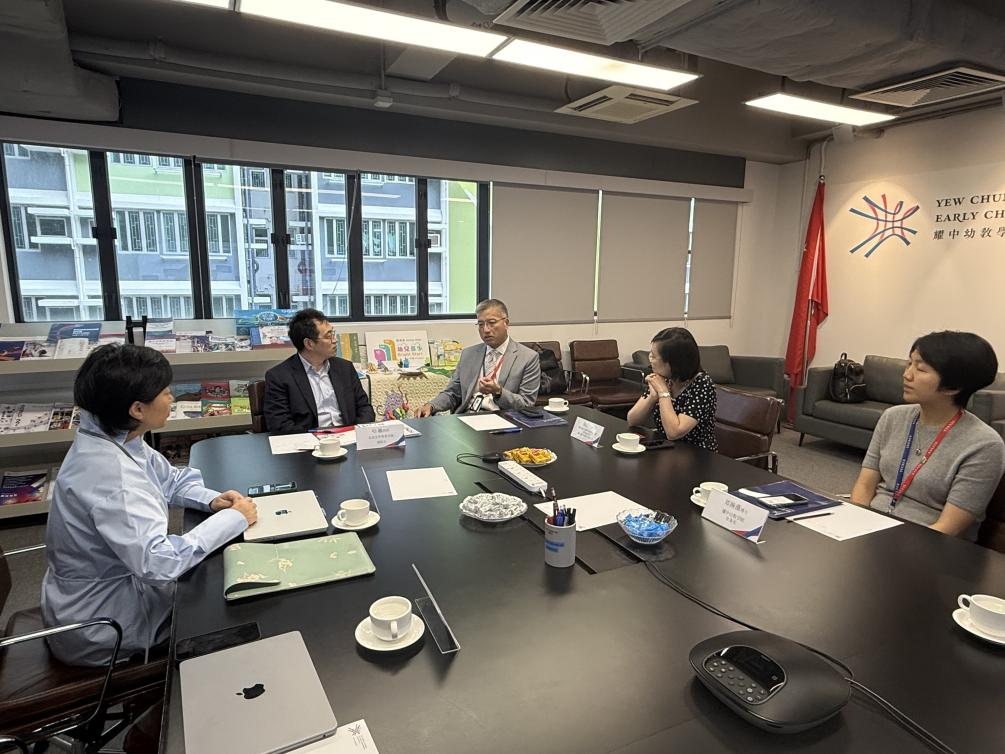
Subsequently, the two sides held a discussion session focusing on student internship collaboration projects under the framework of the National Excellence Teacher Training Plan. They engaged in in-depth discussions on such areas as optimizing future teacher training systems, developing educational practice platforms, and establishing cross-regional collaborative mechanisms for talent cultivation. Both sides agreed that, against the backdrop of promoting high-quality educational development, strengthening cooperation between universities and educational institutions and building an open and shared teacher training system would help deepen the integration of educational theory and practice, while also providing a stronger and broader platform for cultivating future education professionals with international vision and practical competence.
Visit YCIS Hong Kong
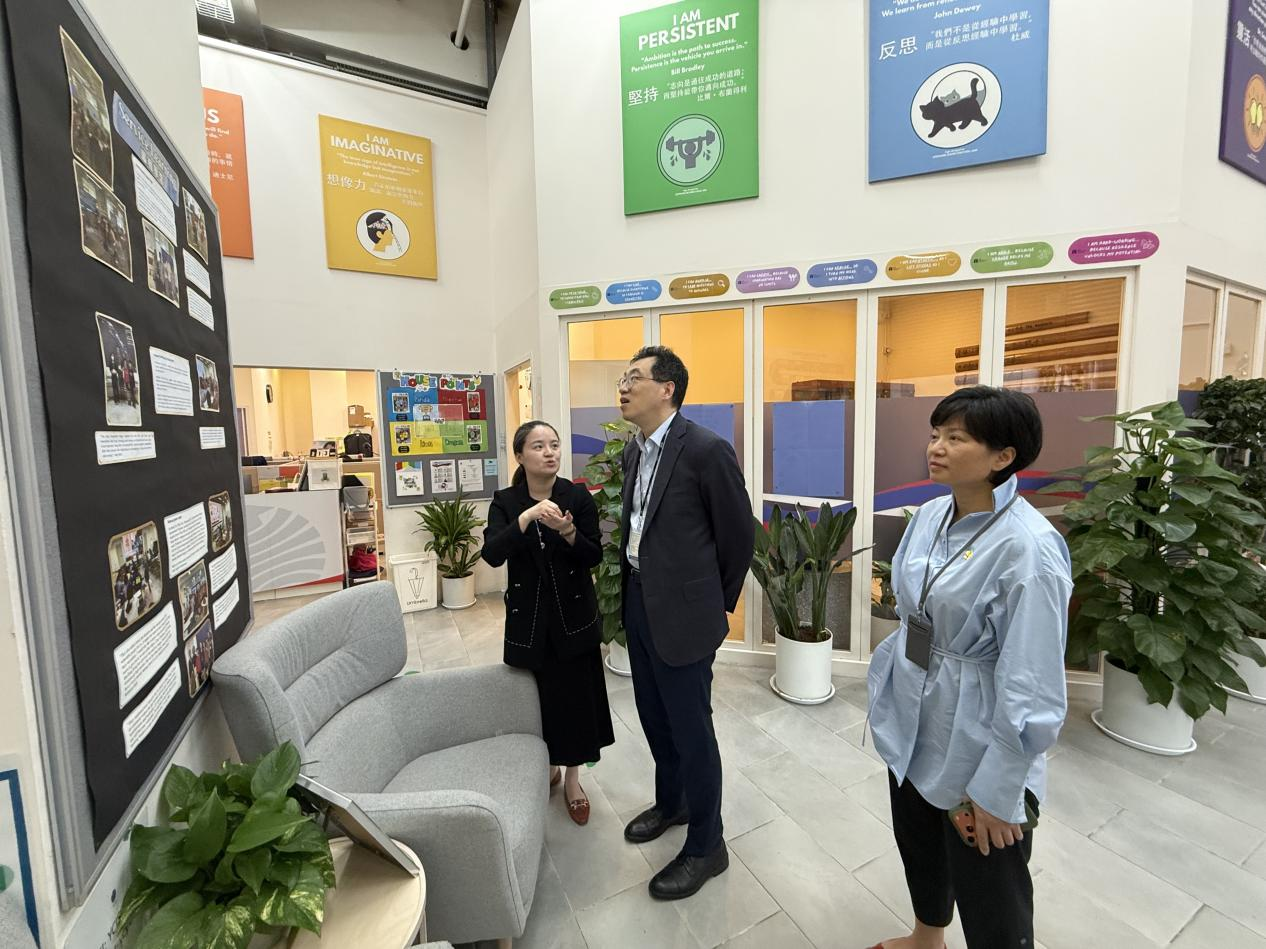
In the afternoon, Professor Ha visited YCIS Hong Kong, touring both the primary and secondary sections and making on-site visits to several signature learning spaces. This allowed him to directly observe how the school integrates its educational philosophy into the daily teaching environment. The school has developed a systematic and mature approach in cross-cultural education, diversified learning experiences, and the cultivation of global citizenship, with notable results already achieved. At the same time, it has been actively advancing the implementation and innovation of technology education, extending learning effectively beyond the classroom through deep collaboration with higher education institutions and industry organizations. By leveraging AI and other technology-enabled tools, the school provides students with more personalized learning support and is committed to cultivating the key skills students need for continuous development in a technology-driven future world, gradually building a future-oriented holistic education system.
Keynote Lecture
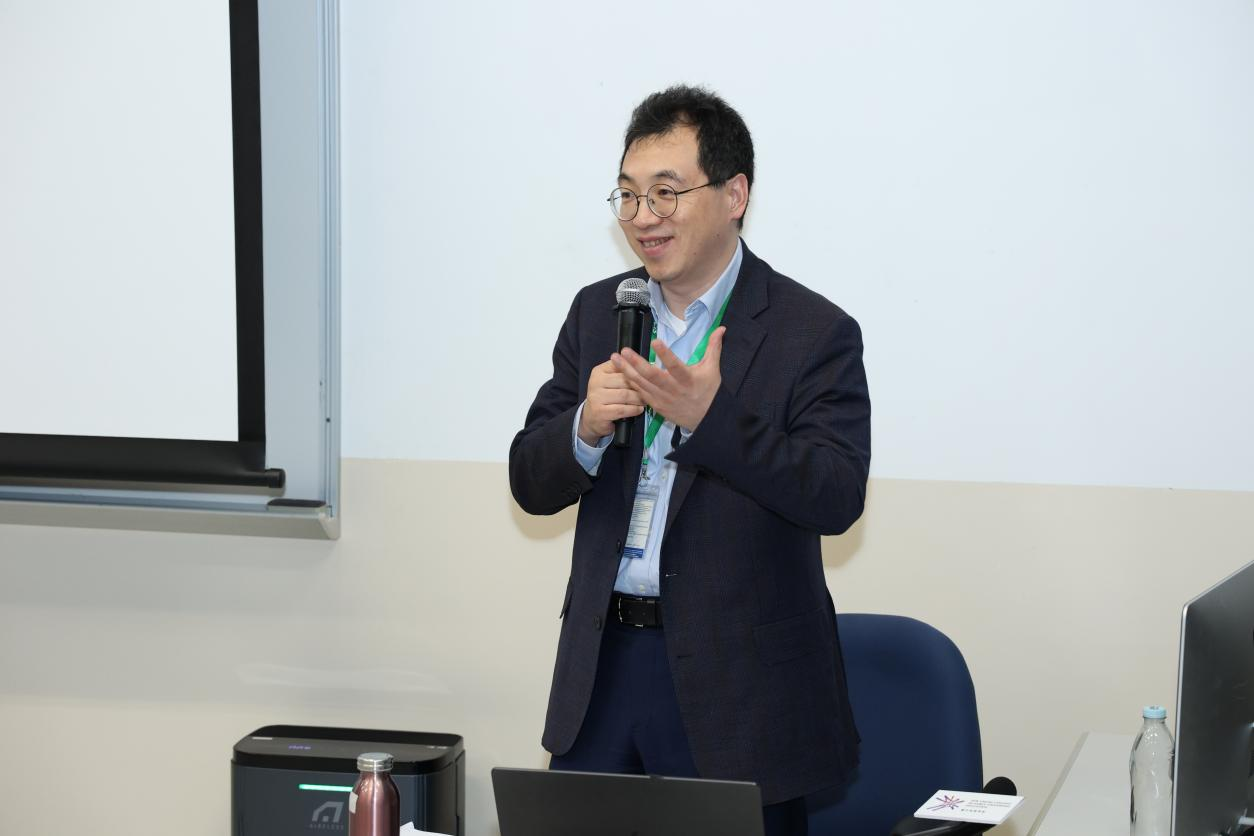
During the visit, Professor Ha delivered the invited keynote lecture titled “Fostering University-Industry Synergy: Deep Integration of Scientific and Industrial Innovation in the Greater Bay Area.” Centering on global bay area innovation ecosystems, collaborative mechanisms between higher education and the technology industry, and development pathways for the Guangdong–Hong Kong–Macao Greater Bay Area, he offered an in-depth sharing that combined international comparison, theoretical analysis, and regional practice. The lecture provided attendees with an academic exchange that was both strategically insightful and practically inspiring.
Using the San Francisco Bay Area, New York Bay Area, Tokyo Bay Area, and the Guangdong–Hong Kong–Macao Greater Bay Area as comparative cases, and drawing on examples such as Beijing’s Zhongguancun, Wuhan Optics Valley, and Shanghai Lingang, Professor Ha analyzed the critical role of universities in regional innovation systems and the practical experience of integrating education, technology, and industry. He pointed out the need to accelerate the improvement of a full-chain innovation ecosystem spanning basic research, applied R&D, industrial transformation, and financial support, while strengthening collaboration between universities in Hong Kong and Macao and industries in the Pearl River Delta.
Professor Ha also placed particular emphasis on the Northern Metropolis as a key platform, noting that, as a core vehicle for Hong Kong’s future innovation and technology development and an important hub linking Hong Kong with mainland innovation resources, it is accelerating the coordinated development of higher education, scientific research, and industry. At the same time, the Northern Metropolis still faces challenges such as insufficient concentration of research resources, infrastructure that requires further improvement, and the complexity of cross-regional collaboration mechanisms. To address these, it is necessary to leverage the advantages of Shenzhen–Hong Kong collaboration, the integration of industry and education, and talent agglomeration. The lecture sparked enthusiastic responses and in-depth discussion among attendees.
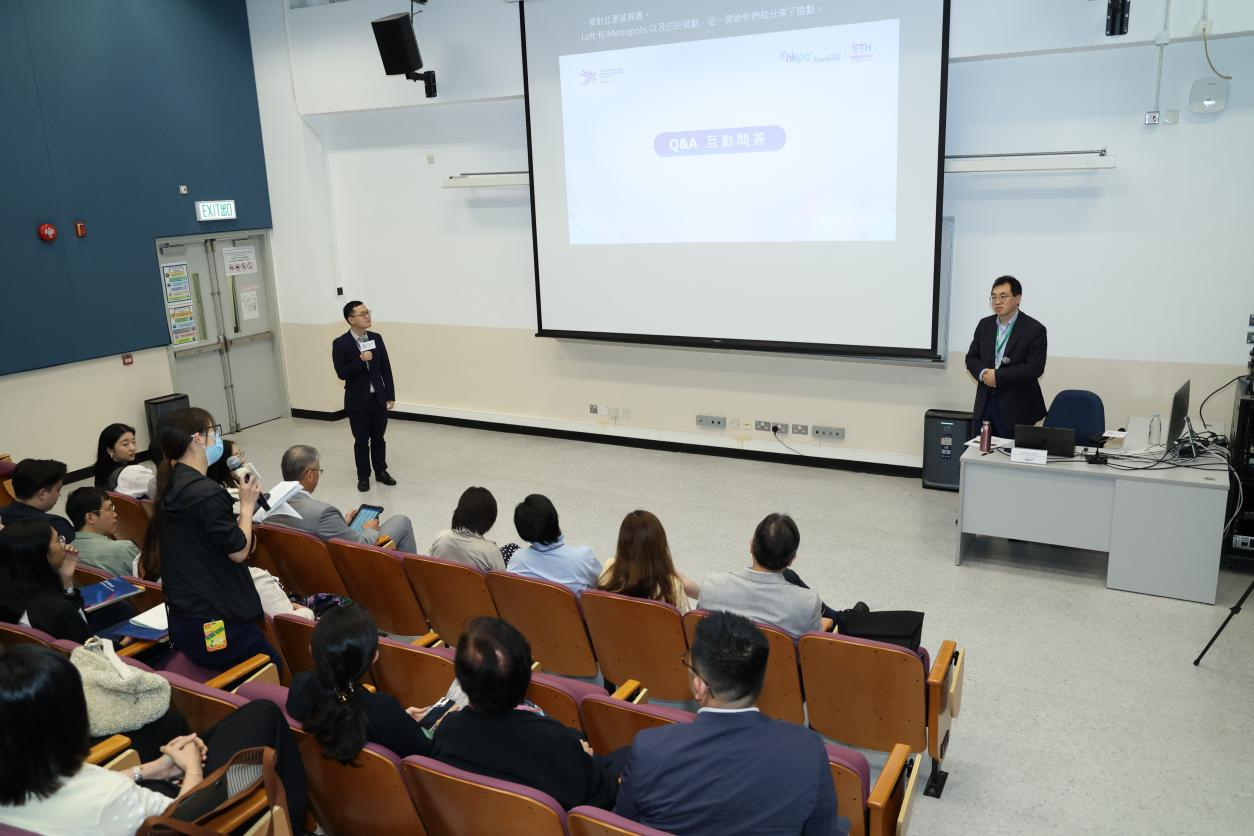
This exchange brought together diverse perspectives from higher education, international school education, and early childhood education, demonstrating the education sector’s shared concern for innovative talent cultivation and regional collaborative development. Both sides expressed their intention to continue strengthening exchanges and cooperation in the future, exploring more possibilities in educational practice, student internships and study programs, and joint research initiatives, so as to jointly promote future-oriented educational development.